
Editorial Team
Editor-in-Chief
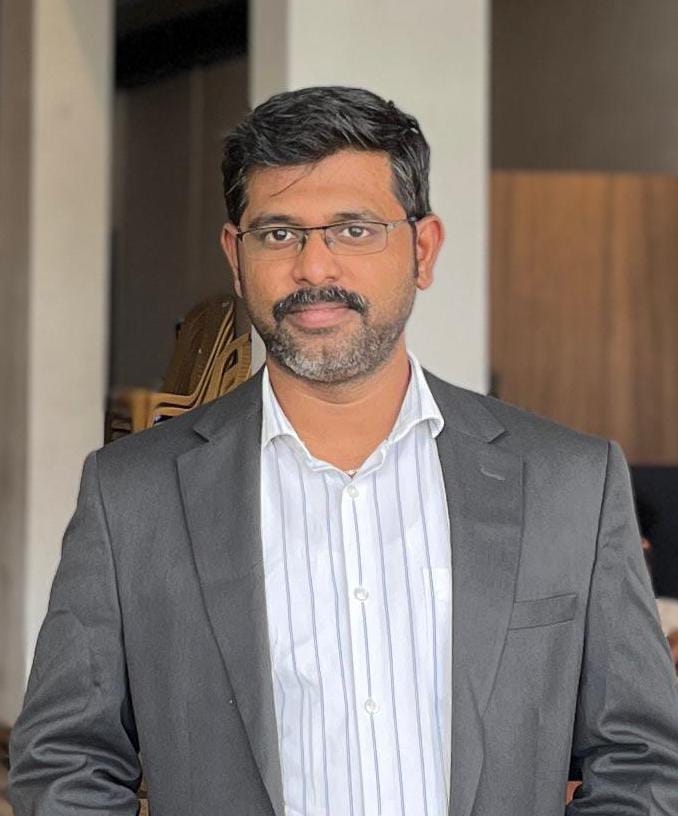
Prof. S. P. Suriyaraj, Rathinam Technical campus, Tamil Nadu, India and AIC Raise, supported by the Atal Innovation Mission, NITI Aayog, Government of India.
Prof. Dr. S. P. Suriyaraj currently serves as Professor of Biotechnology at RATHINAM TECHNICAL CAMPUS, COIMBATORE, Tamil Nadu, India and Associate Vice President at AIC RAISE, supported by the Atal Innovation Mission Official, NITI Aayog, Government of India. He holds a PhD in Nanobiotechnology from PSG Institute of Advanced Studies, Coimbatore. He completed his Post-Doctoral Fellowship at the Department of Biotechnology, Indian Institute of Technology, Madras. With over eight years of experience in research, innovation, and incubation in the field of nanobiotechnology, his work spans bioremediation, water treatment, and drug-delivery applications. Prof. Suriyaraj has produced several scientific publications, including original research papers, review articles, and book chapters, and has mentored numerous bio-nano startups and innovators. Additionally, he brings valuable industrial expertise from his tenure as Chief Technology Officer and Senior Scientist at Ardor Biomed India PVT LTD, Coimbatore. Passionate about fostering technology-based startups and nurturing young entrepreneurs, he continues to contribute extensively to both scientific research and innovation ecosystems.
Associate Editors
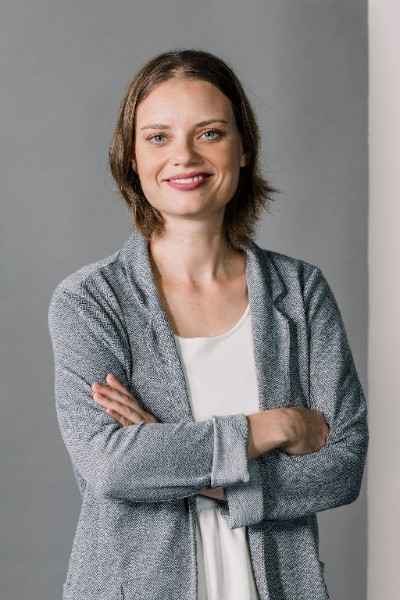 Dr. Daria Feldman, SCE College of Engineering, Israel
Dr. Daria Feldman is Head of the Food Technology Program at the Sami Shamoon College of Engineering (SCE), Israel, where she oversees academic development, fosters industry partnerships, and advances innovation in food science education. She holds a Ph.D. in Microbiology from the Hebrew University of Jerusalem, with research expertise in fungal biology, fermentation, and molecular mechanisms of stress response. Prior to her current role, she co-founded and served as CTO of Kinoko-Tech, a biotechnology startup developing fungal-based protein alternatives. Dr. Feldman brings to the editorial board a multidisciplinary perspective spanning microbiology, biotechnology, and translational food research.
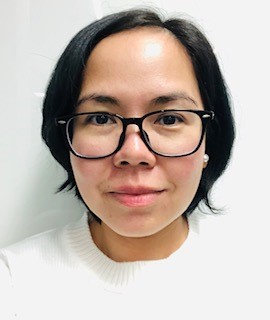 Dr. Imelda Forteza, The Australian National University
Dr. Forteza investigates how microbial communities shape ecosystem resilience, carbon cycling, and biodiversity under climate stressors. Her work spans soil and deadwood microbiomes in forests, wetlands, and agroecosystems—highlighting microbial roles in carbon sequestration and greenhouse gas (GHG) emissions. She integrates plant–microbe interactions and soil health in agricultural systems to support sustainable food production and climate-smart farming. Dr. Forteza uses microbiomes as bioindicators of habitat quality and conservation value, and studies microbial and nutrient flows across terrestrial–aquatic boundaries to understand cross-ecosystem dynamics. She also applies microbial insights to nature-based solutions for climate adaptation and carbon capture, translating microbial data into policy-ready tools for environmental monitoring, carbon crediting, and biodiversity metrics. Her recent work includes examining climate–biodiversity feedback loops in microhabitats like Tallaganda Forest, highlighting their buffering role in preserving microbial and ecological diversity.
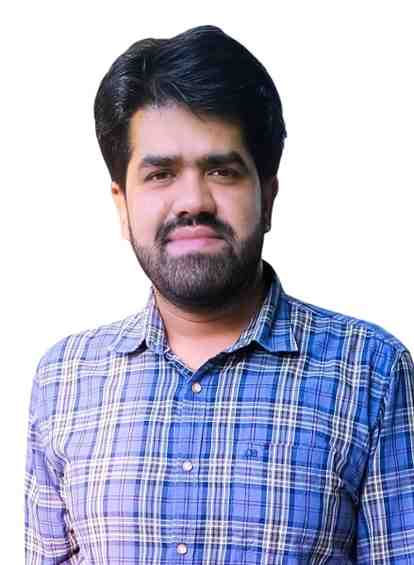 Dr. Umesh Chandra Dash, Utkal University, Bhubaneswar, India.
Dr. Dash is an accomplished researcher with a Ph.D. in Biotechnology from Utkal University, Bhubaneswar. His research primarily focuses on the pharmacological potential of secondary metabolites and bioactive compounds in the treatment of neurological disorders, particularly Alzheimer’s disease. He has extensive experience in phytochemical analysis, in vitro and in vivo studies, enzymatic assays, and histopathological evaluation. Dr. Dash has contributed significantly to the development of herbal formulations and nutraceuticals, combining traditional knowledge with modern scientific techniques. He has authored and reviewed numerous peer-reviewed manuscripts for reputed journals including Elsevier and Frontiers, and currently serves as Section Editor for The Open Medicine Journal (Bentham Science). With over 19+ research publications to his credit, Dr. Dash continues to explore innovative therapeutic strategies through his writing, project leadership, and product development in both academic and industrial R&D settings.
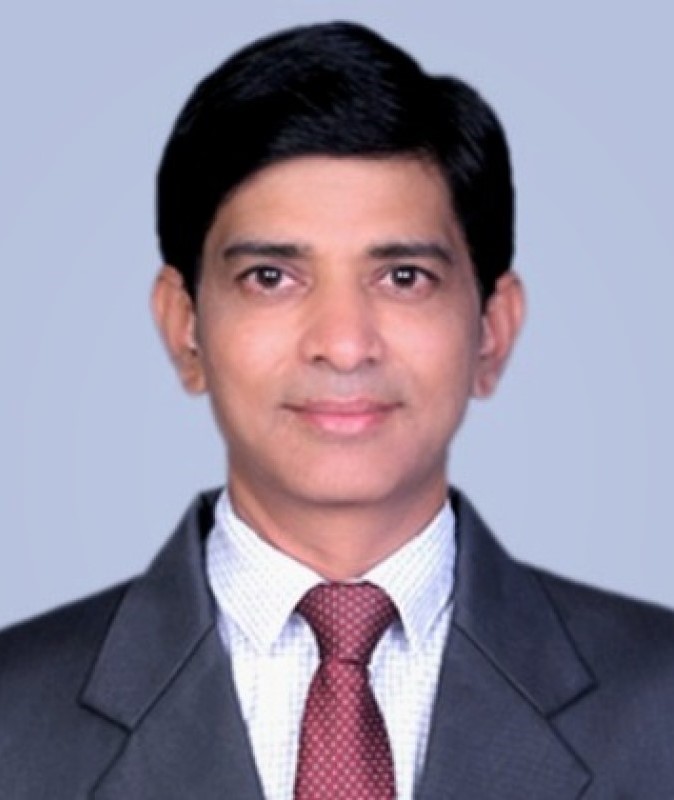 Dr. Somnath Swami Vibhute, Rajarshi Shahu College of Pharmacy, Buldana Maharashtra, India.
Dr. Vibhute is a dedicated pharmaceutical scientist and academician with over 20 years of experience in pharmaceutical education, research, and regulatory affairs. He currently serves as an Associate Professor in the Department of Pharmaceutics at Rajarshi Shahu College of Pharmacy, Buldana — an institute accredited with NAAC A+. Dr. Vibhute holds a Ph.D. in Pharmaceutical Sciences and has contributed extensively to drug delivery research, particularly in solubility enhancement, mesoporous materials, and nanotechnology-driven formulations. He is a recipient of a prestigious Research Promotion Scheme (RPS) grant from AICTE. Dr. Vibhute also holds one Indian patent related to innovative pharmaceutical formulation technology. An active mentor and research collaborator, he has conducted workshops, guided student projects, and contributed to the scientific community through continuous academic engagement. As Associate Editor at Null Scientific, Dr. Vibhute brings strong editorial insight, technical expertise, and a passion for advancing interdisciplinary research in pharmaceutical sciences and nano-medicine.
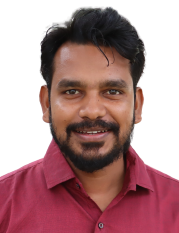 Dr. Uma Shankar Navik, Central University Punjab, Bathinda, Punjab , India
Dr. Uma Shanker has around 10 years of research experience in pharmacological research, drug discovery, and development. He has proficient knowledge of pharmacology and toxicology, particularly in diabetes, Metabolic Dysfunction-Associated Steatotic Liver Disease, metabolic-associated steatohepatitis & its complications, fibrosis, epigenetics, pharmacological interventions against drug-induced organ toxicity and preclinical toxicity testing with hands-on experience in numerous in vivo and in vitro experiments & techniques. He has expertise in cutting-edge pharmacological models to elucidate the molecular mechanisms of methyl donors, phytochemicals, and epigenetic modulators. He won several fellowships, including Paired Early Career Fellowship in Applied Research Fellowship (PECFAR, IGSTC, Indo-German), ICMR International Travel Fellowship (ICMR India), and NIPER Fellowship (Govt. of India).
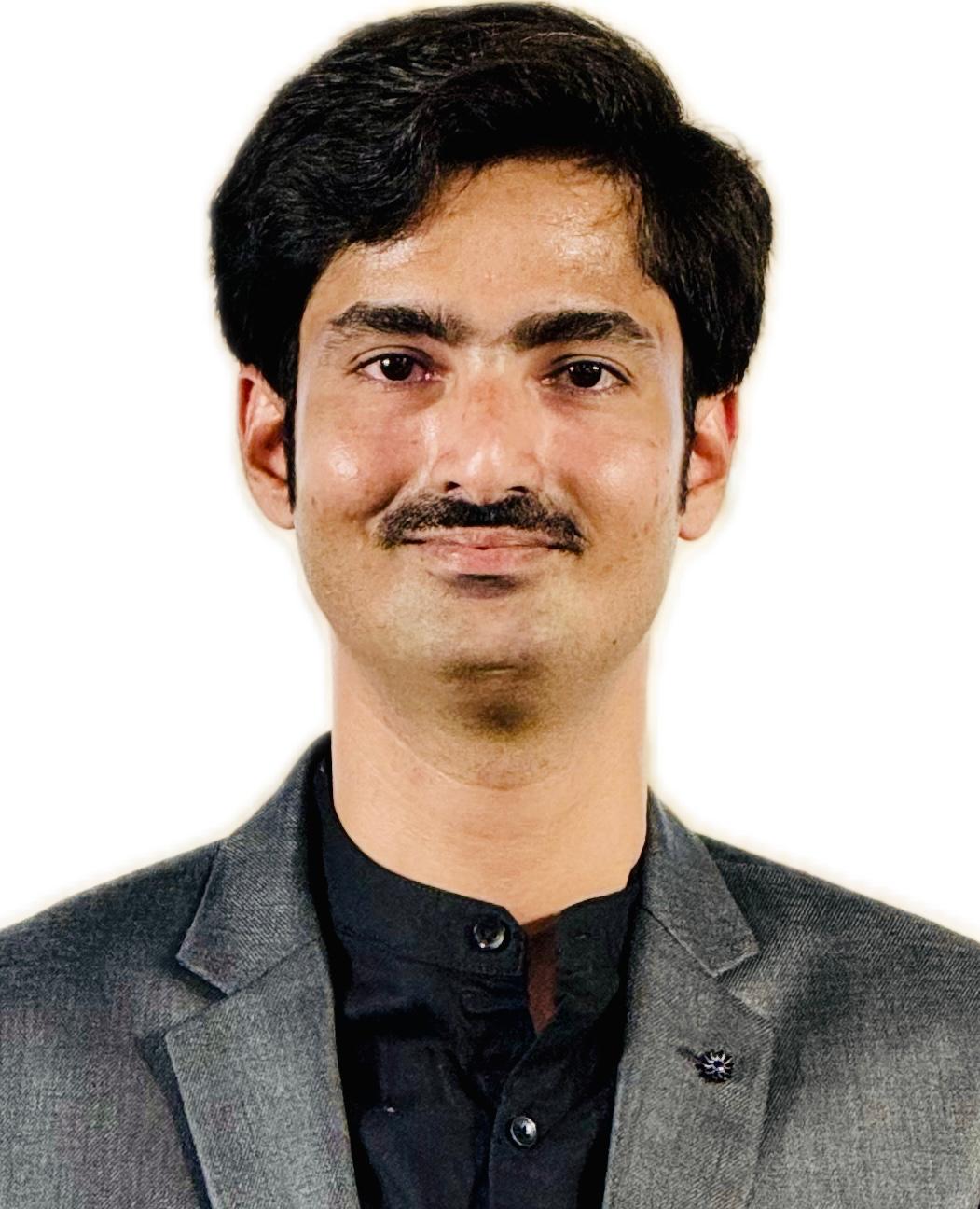 Dr. Farhan Mohammad Khan, Swami Keshvanand Institute of Technology, Management & Gramothan (SKIT), Jaipur, India
Dr. Farhan Mohammad Khan is an Assistant Professor in the Department of Civil Engineering at Swami Keshvanand Institute of Technology, Management & Gramothan (SKIT), Jaipur. He earned his Ph.D. in Environmental Engineering from BITS Pilani, where he developed artificial intelligence–based models to predict faecal coliform contamination in groundwater. His expertise includes environmental engineering, water and wastewater quality assessment, GIS and geospatial analysis, AI and machine learning applications, environmental microbiology, and sustainable urban water management.
Dr. Khan has contributed to national projects funded by DST and CSIR-NEERI, covering sustainable urban water systems, groundwater contamination, carrying capacity assessments of polluted areas, and smart sensor-based water quality monitoring devices. He has published widely in peer-reviewed journals and conferences and authored a book on AI-driven groundwater contamination modelling. A co-inventor of a patented portable smart water-quality device, he also serves as an editor for Acta Scientific, PLOS ONE, and the IIP Series, and reviews for several major international journals.
Managing Editor
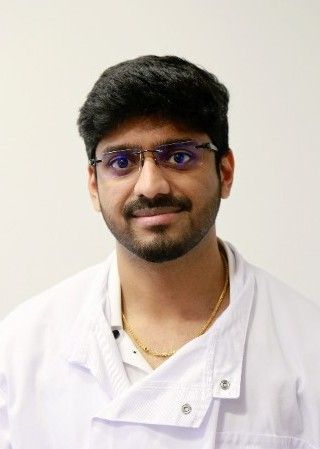 Dr. Ritihaas Surya Challapalli, University of Galway, Ireland
Dr. Challapalli is a postdoctoral researcher at the University of Galway, Ireland, with a background in translational medicine, oncology, and regenerative medicine and biomaterials. He holds a PhD in Surgery from the University of Galway, where his research focused on developing advanced therapeutic and reconstructive strategies for post-surgical oncology patients, particularly in breast cancer. His work is positioned at the intersection of biomaterials science, cellular therapy, and clinical innovation. Dr. Challapalli’s current research spans diverse areas of experimental therapeutics, with ongoing investigations into nanoparticle-enabled delivery systems, drug–cell interaction mechanisms, and cellular responses to complex therapeutic environments. He is particularly interested in the interface between experimental pharmacology and translational oncology, and in advancing preclinical models that more accurately reflect human disease. He has authored multiple peer-reviewed publications and contributes regularly to interdisciplinary research initiatives involving academic, clinical, and industry partners. Dr. Challapalli is also experienced in research ethics, regulatory compliance, and preclinical protocol development. He brings to the editorial board a commitment to scientific rigor, innovation, and cross-disciplinary collaboration.